Leading the way
As the electric vehicle (EV) market continues to grow, the demand for reliable and efficient charging solutions has never been more critical. Our company specializes in providing a comprehensive range of AC, DC, and Ultra High Power EV chargers, along with expert installation services tailored to meet the unique needs of both residential and commercial clients. MTS EV Energy provide different types of chargers with respective benefits, and our professional installation services offer to support the transition to electric mobility.
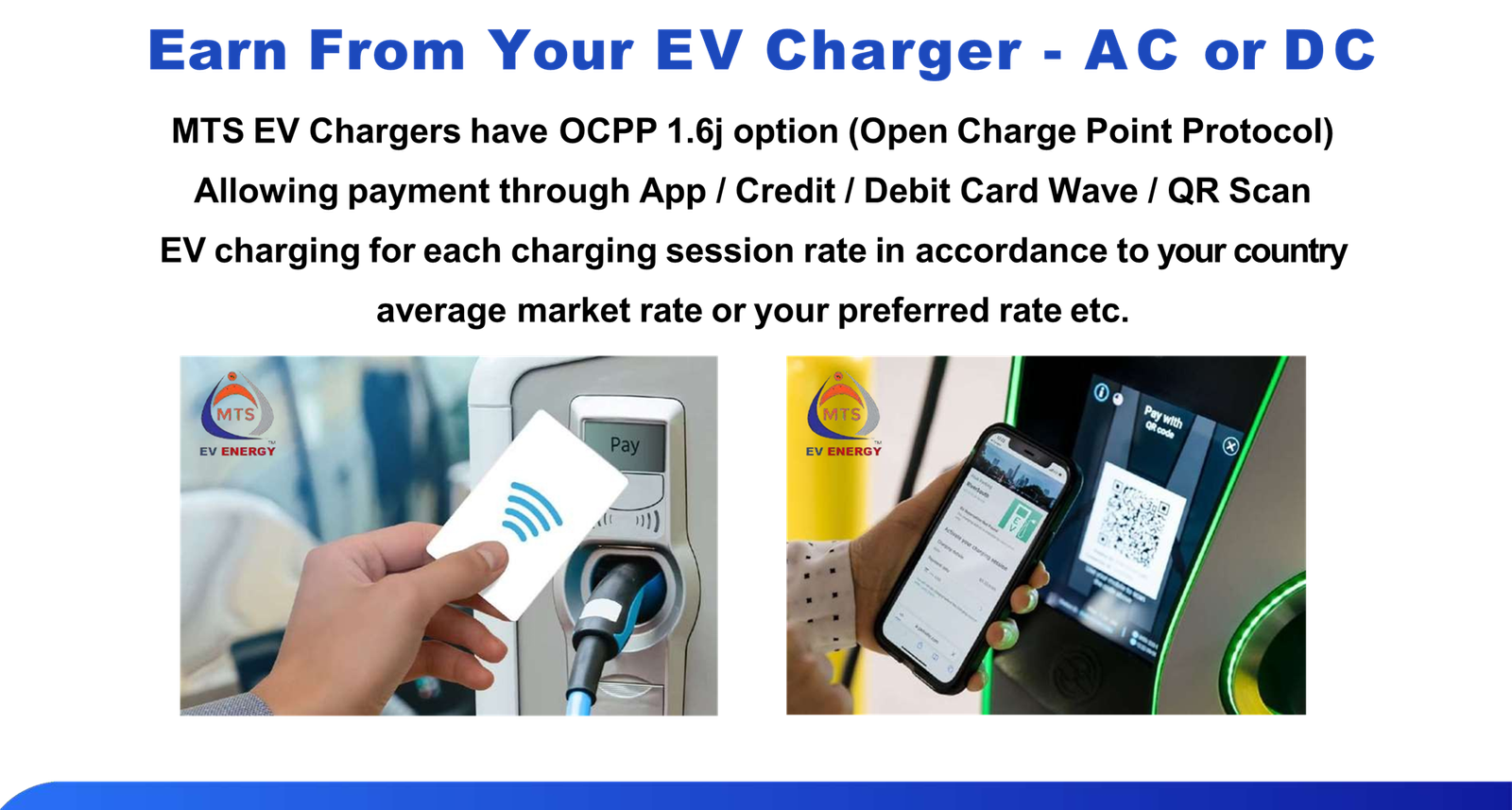
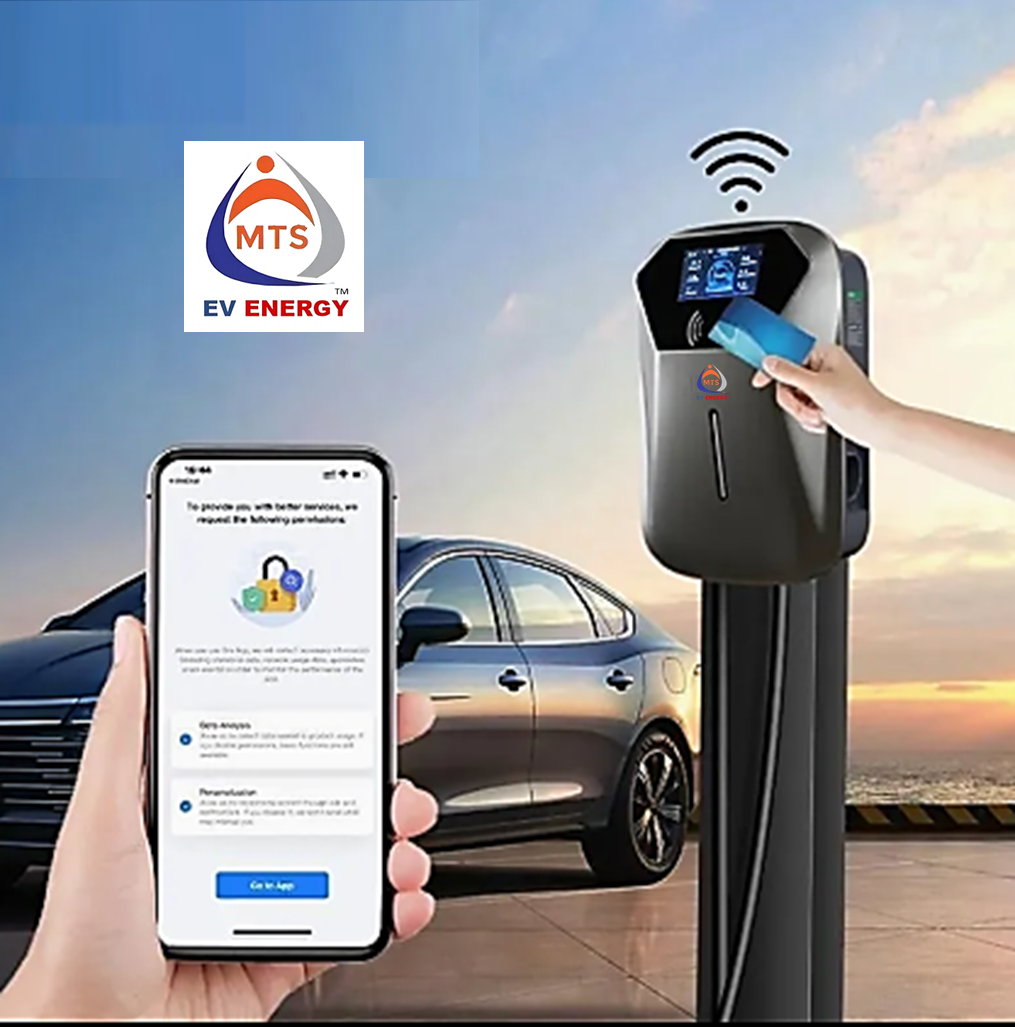
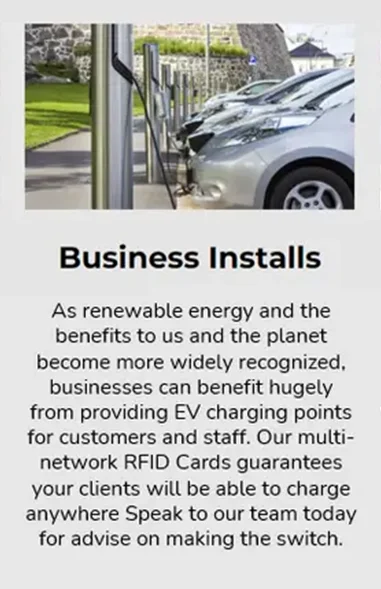
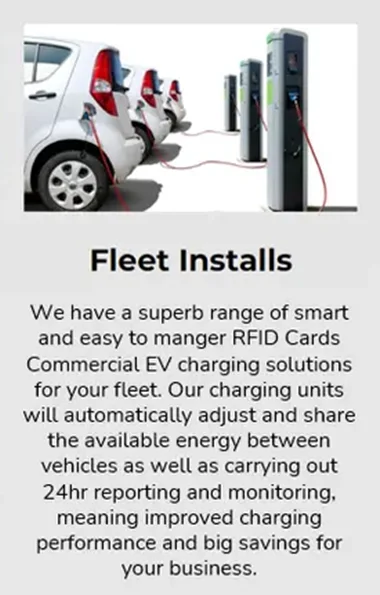
MTS EV Energy division provides years of experience in the sales and installation of EV Chargers for EV Vehicles and Hybrid Vehicles at carparks of residential premises, offices, hospitals, shopping malls, petrol stations, and highway toll plazas. We also provide setup services of EV charger product for your business Display Showroom in shopping malls and shop lots. Our EV Chargers are equipped with optional Open Charge Point Protocol or OCPP1.6j that allows EV chargepoints and charging station networks (also called a central management system) to communicate with each other. It’s similar to the relationship between mobile phones and mobile phone networks and are CE, UK CA, IEC and TÜV Rheinland certified to meet international standard requirements.
Advantages of AC Charging
MTS AC chargers shine in their simplicity and convenience. They’re typically cheaper to install and maintain, making them an attractive option for households and businesses alike. Plus, since they’re compatible with most electric vehicles, we offer a versatile charging solution that doesn’t require fancy tech. It’s like having a reliable friend who always shows up when you need them, low maintenance and always dependable.
Benefits of DC Charging for Fast Charging Needs
When time is of the essence, MTS DC charging is your go-to option. With the ability to charge your EV to 80% in about 30 minutes, it’s perfect for drivers who need to hit the road quickly. DC chargers also tend to be more efficient, translating into less energy wasted during charging. So, if you’re always on the move, DC chargers are your best pals, think of them as your personal pit stop team!
Why Choose Ultra High Power Chargers?
MTS Ultra High Power Chargers are all about speed and efficiency. They cater to those who simply can’t afford to wait around, whether that’s fleet operators or road-trippers on a tight schedule. Plus, with these chargers leading the charge (more puns!), you can reduce range anxiety significantly, making long-distance EV travel a breeze. Ultra High Power Chargers are not just an upgrade; they’re an electrifying leap into the future of charging.
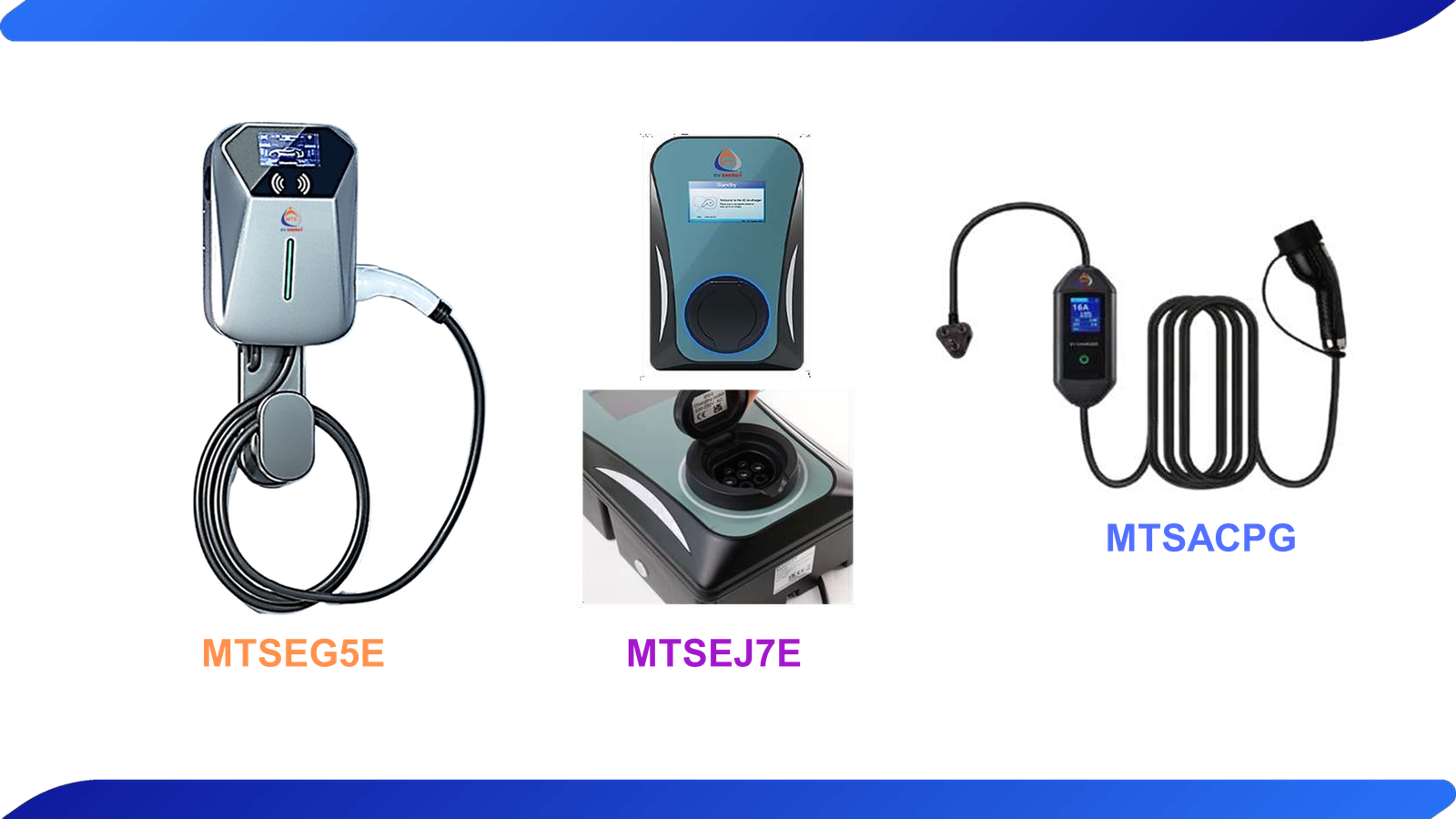
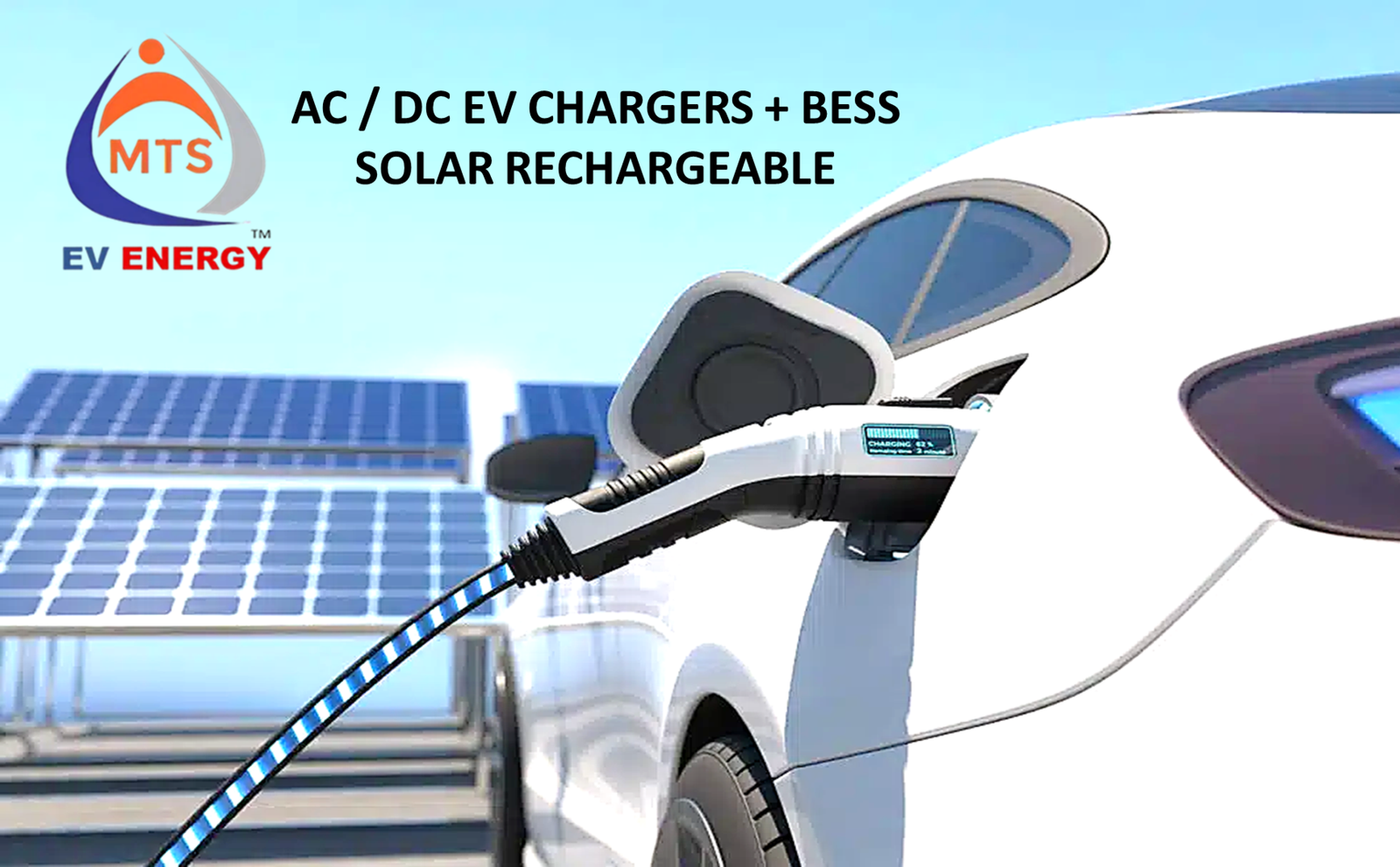
MTS EV Chargers are also Solar rechargeable with user-friendly interface, various connectors that allow you to charge EV and HEV vehicles with ease, and security systems that increase the user’s comfort. Quiet operation and the cable management system ensure comfort and convenience for each user, with the option of Portable AC chargers of power factor of 3.5 kW, 7 kW, 11 kW and 22 kW and AC chargers of power factor 7 kW, 11 kW and 22 kW, DC chargers of power factor from 60 kW to 380 kW as well as Portable DC EV Chargers of power factor from 2.1kW to 40kW.
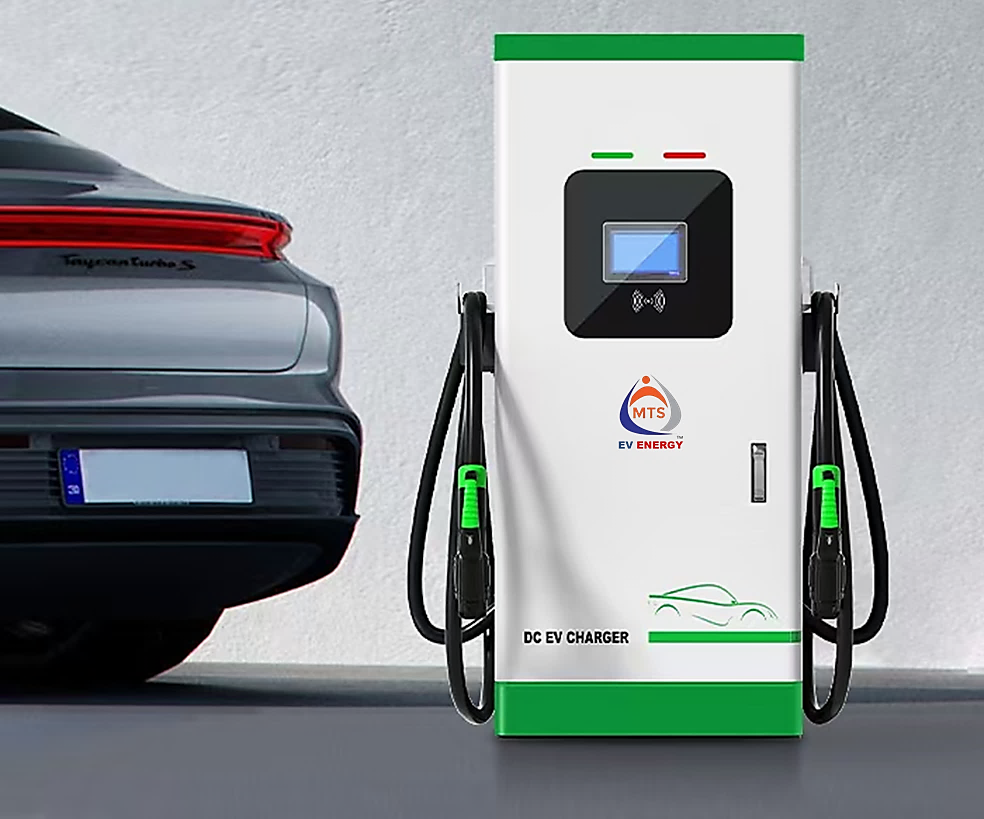
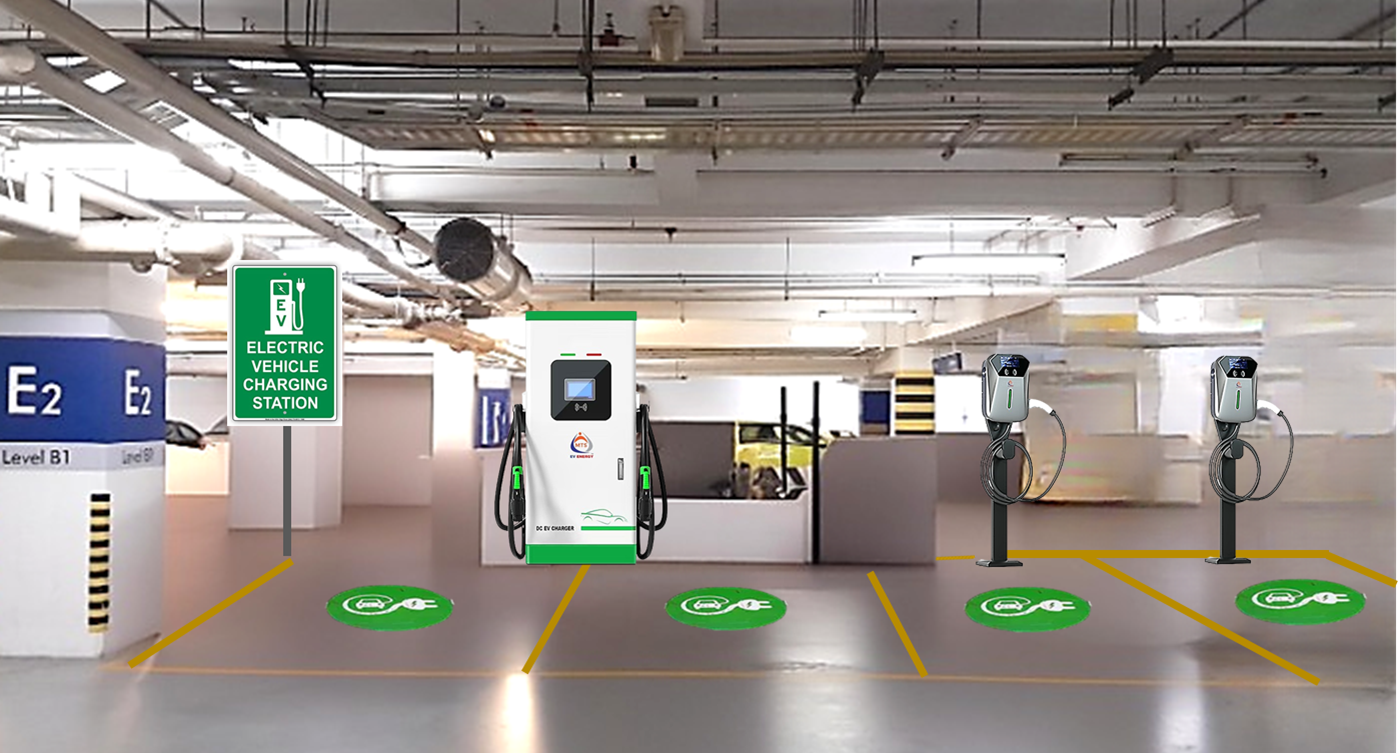
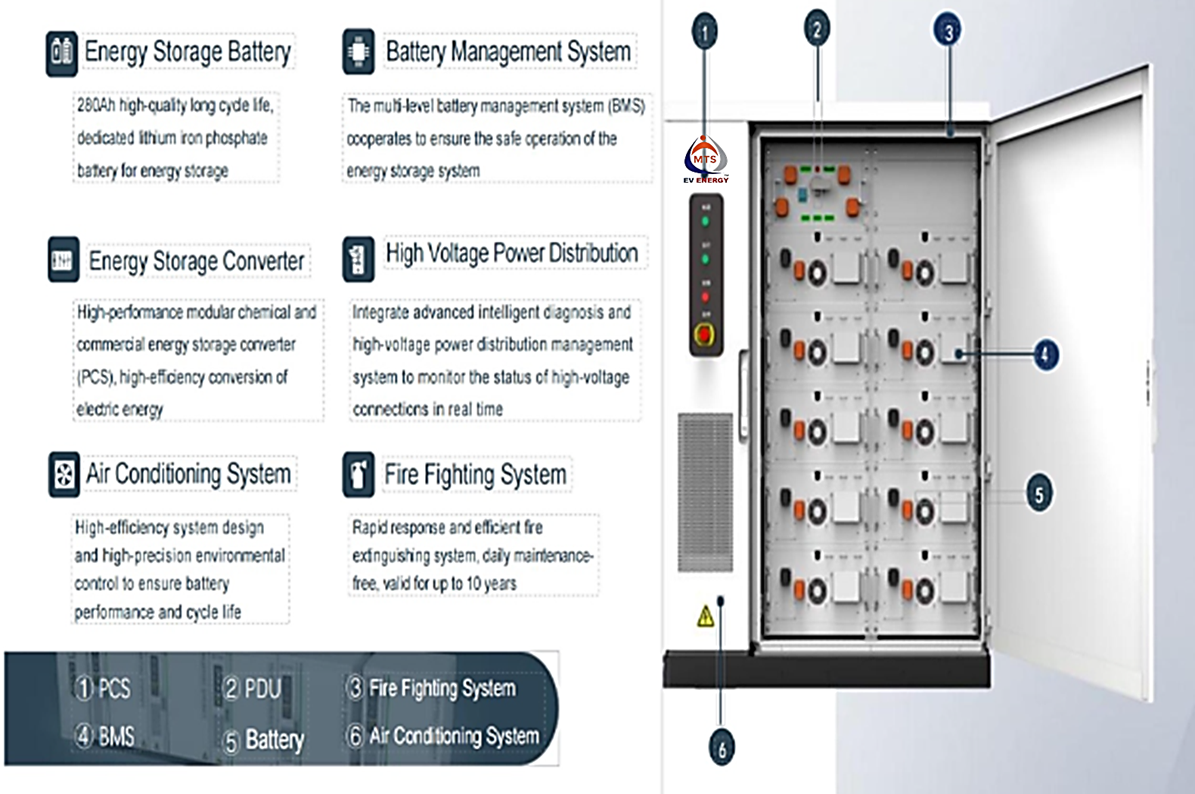
MTS High Megawatt DC Charging solutions of Power factor from 500kW to 3MW with optional MTS Battery Energy Storage System (BESS) technology, enables energy storage and deliver high-power and speed charging system without straining the grid. We offer integrated solutions that can reduce infrastructure needs and improve charging speeds for heavy-duty vehicles, while other providers like Wallbox offer modular BESS solutions to be paired with our charging systems.
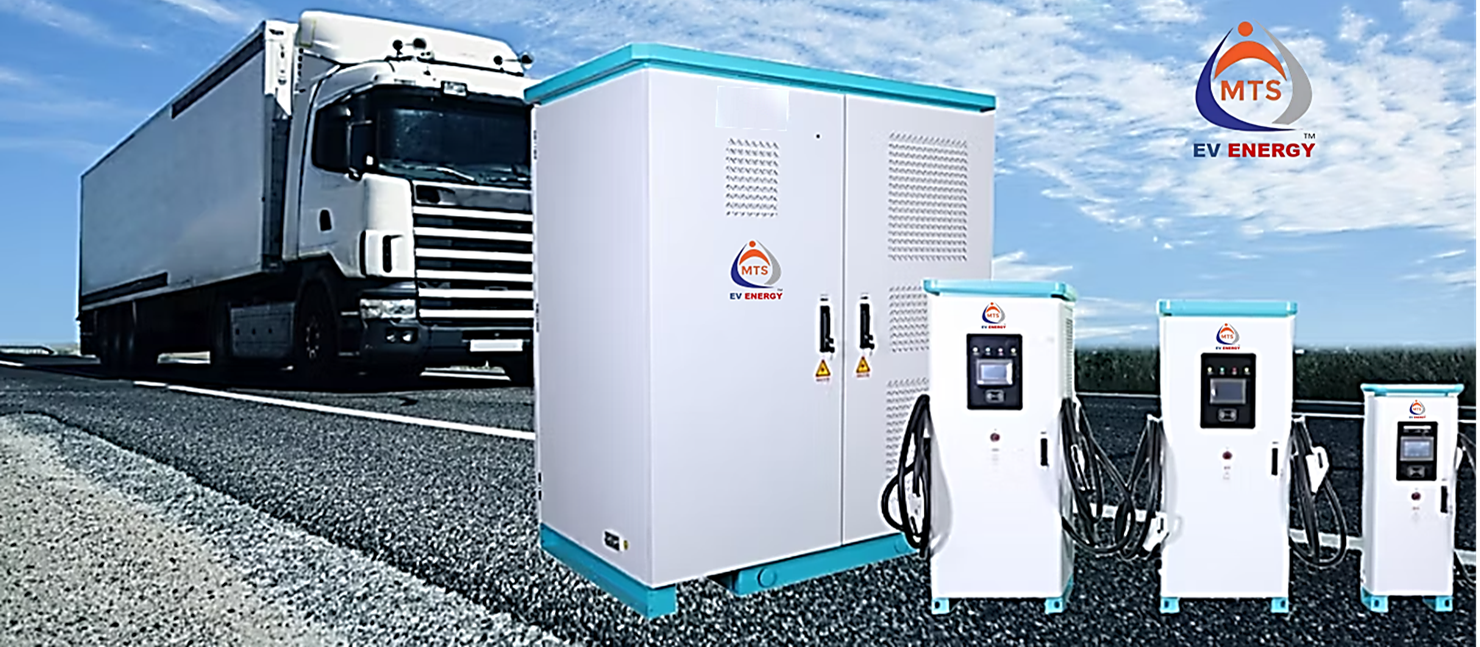
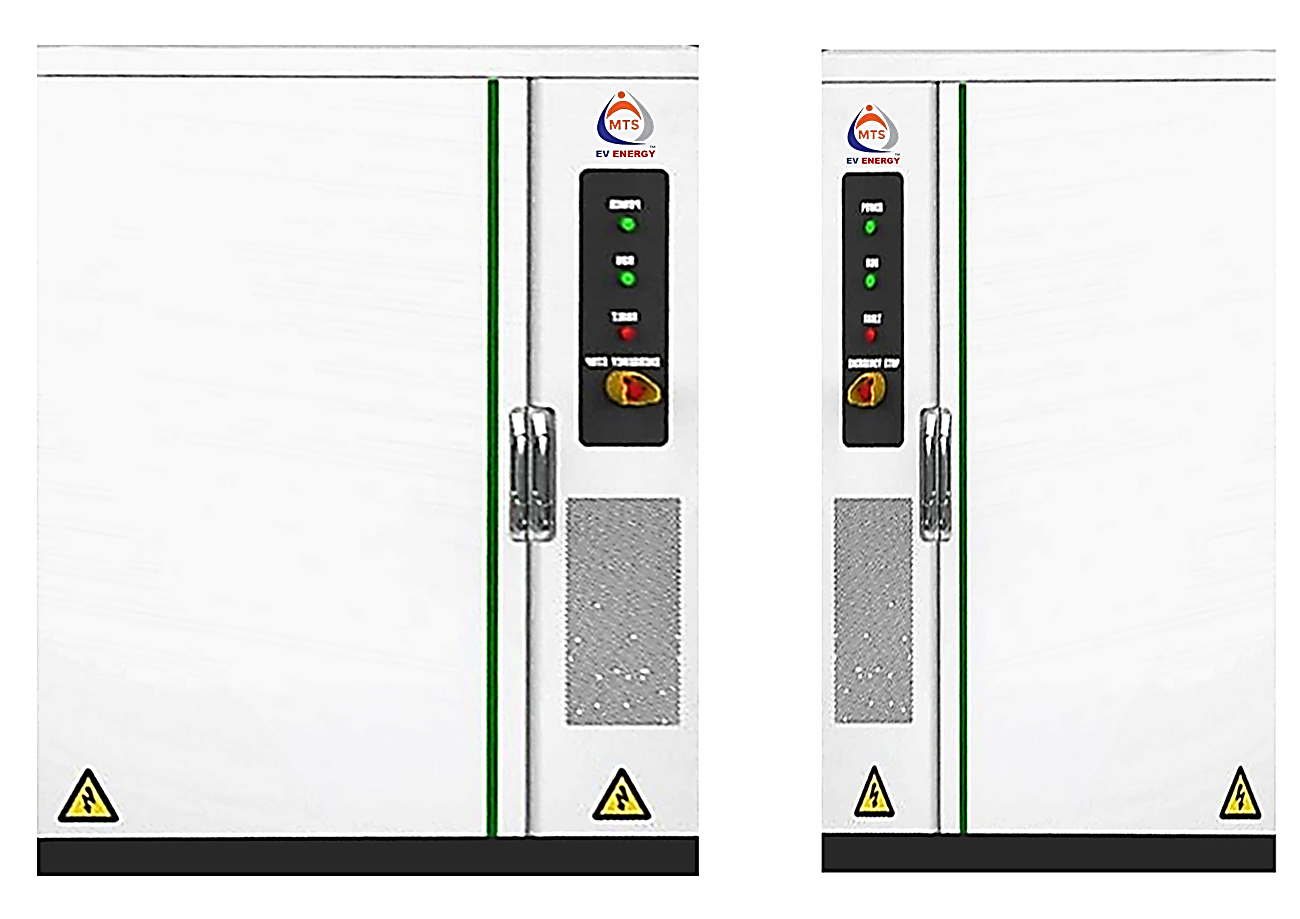
MTS EV Energy – Battery Energy Storage System (BESS) product can increase the charging capacity of a charging station by storing excess electricity when demand is low and releasing it when demand is high. This can help to avoid overloading the grid and reduce the need for costly grid upgrades. Our battery energy storage system for an EV charging station stores electricity to power charging stations and electric vehicles (EVs). It can also help stabilize the electrical grid or grid with limited power capacity.
Installation Services:
Comprehensive Site Assessments
Before we start installing chargers, we make sure to do our homework. Our comprehensive site assessments evaluate your space to determine the best charging solutions tailored to your needs. It’s like a charging consultation—only without any awkward small talk. We’ll go over everything, from power availability to optimal placement, ensuring your setup is perfect and hassle-free.
Professional Installation Processes
When it’s time to plug in, our professional installation team takes over. We pride ourselves on a seamless and efficient process that minimizes disruption. With a crew of skilled technicians, you can expect the job done right—no DIY disasters here! Our motto? Fast, friendly, and flawless, so you can get back to enjoying your electric ride in no time.
Post-Installation Support and Maintenance
The journey doesn’t end once the charger is installed. We offer post-installation support and maintenance to keep your system running smoothly. Think of us as your EV charger’s best friend, always ready to lend a helping hand. Whether it’s troubleshooting, routine checks, or upgrades, we’ll ensure your charging station remains in peak condition—because nobody likes a cranky charger!
Considerations for Choosing the Right Charger
Assessing Charging Needs Based on Vehicle Type
When diving into the world of electric vehicles (EVs), it’s like picking the right pair of shoes for a marathon—one size doesn’t fit all! Different EV models have varying battery capacities and charging requirements. For instance, if you’re rolling with a Tesla Model S, you might need a charger that can keep up with its speedy appetite for power. Conversely, a compact electric vehicle may not require the same high-octane juice. So, before you go on a charger shopping spree, consider what you’ve got parked in your garage.
Evaluating Charging Speed Requirements
Speed is the name of the game! There are three main charging levels: Level 1 – AC (slow and steady), Level 2 (the sprinter), DC fast charging (the Usain Bolt of chargers) and Level 3 – Ultra High Power (the lightning).
Understanding Installation Costs
Let’s talk dollars and cents. The installation costs vary based on system size, location, and other factors. We break down everything—EV Chargers equipment, labor, permits, and more—so you know exactly where your money is going. Spoiler alert: going solar may not be as shocking to your wallet as you think!
Our Expertise in EV Charger Installation
Experienced Technicians and Certified Installers
When it comes to installation, you want the A-team on your side. Our technicians have been around the block (and back again) with countless installations under their tool belts. They’re not just certified; they’re passionate about bringing your charging dreams to life. With hands-on experience and know-how, they’ll ensure your charger is safe, effective, and ready to rock ‘n roll in no time.
Quality Assurance and Safety Standards
We take safety as seriously as we take our morning coffee—and that’s saying something! All our installations adhere strictly to industry safety standards because, let’s be honest, we don’t want any “shock” factor in the process. From wiring to final inspections, we ensure everything is up to par and functioning like a well-oiled machine, giving you peace of mind every time you plug in.
Easy Payment Plans
Stretched budget? No problem! We offer a variety of financing plans option such as Buy Now Pay Later (BNPL) to fit your lifestyle. Whether you prefer to own your system outright, go the lease route, or tackle a power purchase agreement, we’ll find the perfect fit for your wallet and make the solar switch as smooth as possible. Get ready to enjoy the sun without breaking the bank!
The Role of Renewable Energy Sources
Powering up with a conscience? Yes, please! As we progress, the integration of renewable energy sources like MTS Solar Solutions into charging stations is becoming a strong trend. Imagine charging your EV with energy harvested from the sun while sipping your morning latte. The combination of clean energy and electric vehicles could revolutionize how we think about transportation and sustainability—making Mother Earth proud, one charge at a time.